After more than a decade of anticipation, Grand Theft Auto 6 is finally on the horizon for a 2025 release. The excitement in the gaming community is palpable, with fans eagerly awaiting the next groundbreaking chapter from Rockstar Games. Based on the studio's legendary track record, expectations are sky-high. However, the monumental wait for this title has spotlighted a significant, recurring challenge for the developer: the immense time gap between major franchise releases. While Rockstar's meticulously crafted open-world epics are often worth the wait, the decade-long development cycles for titles like GTA and Red Dead Redemption leave fans craving more consistent content within these beloved universes.
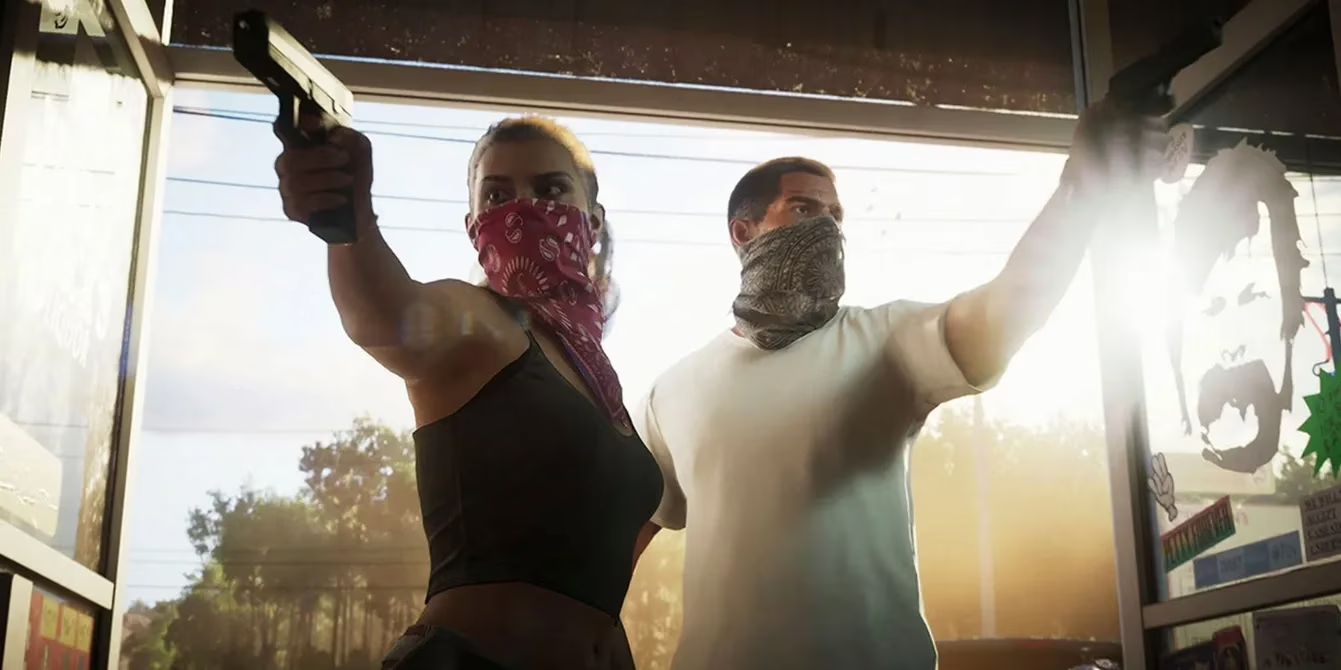
Rockstar has traditionally been the sole guardian of its flagship franchises, resulting in some of the most critically acclaimed and genre-defining adventures in gaming history. 🎮 The sheer scale, detail, and quality of these worlds are unparalleled. Yet, this 'all-in' approach to mainline entries creates a feast-or-famine scenario for players. The solution might not lie in Rockstar working faster, but in the studio adopting a more flexible publishing model, allowing other talented developers to create smaller-scale experiences within its iconic settings.
🚗 The Untapped Potential of Spin-off Stories
Imagine exploring the rise of Franklin Clinton in Los Santos before the events of Grand Theft Auto V. Picture managing a burgeoning ranch in the heartlands of America during the twilight of the Wild West, a narrative parallel to Red Dead Redemption 2. Or, consider a nostalgic return to the top-down, chaotic streets of the original Grand Theft Auto cities with modern gameplay sensibilities. The lore and settings Rockstar has built are rich tapestries, perfect for smaller, focused stories that don't require the budget and scope of a numbered sequel.
These spin-offs could explore different genres or perspectives:
-
Character-focused prequels/sequels: Deep dives into fan-favorite characters.
-
Genre experiments: A detective noir story in Vice City, or a survival-focused tale in the RDR2 wilderness.
-
Historical snapshots: Exploring different eras within these dynamic worlds.
🤝 The Multi-Studio Model: A Proven Blueprint
Other major publishers have successfully navigated this very issue. The Call of Duty franchise thrives on a coordinated, multi-studio development cycle, ensuring a steady stream of content. If Rockstar were to selectively license its IPs or collaborate with trusted external studios or even its other internal branches, it could provide fans with substantial new experiences between the colossal mainline releases.
Benefits of this approach include:
-
Reduced Wait Times: Fans get meaningful new content without sacrificing the quality of the flagship titles.
-
Creative Innovation: External studios can bring fresh ideas and gameplay mechanics to established worlds.
-
Franchise Vitality: Keeps the community engaged and the IPs culturally relevant year-round.
-
Revival of Dormant IPs: This model could be the perfect pathway to resurrect beloved titles like Bully or L.A. Noire without diverting core Rockstar teams from their primary projects.
⚖️ Balancing Quality and Quantity
The primary concern, of course, is maintaining the impeccable standard associated with the Rockstar name. The key would be a rigorous curation and oversight process. Rockstar would act as the creative director, setting the tone and quality benchmarks, while partner studios handle the hands-on development. This ensures the soul of the world remains intact, even if the gameplay focus shifts. These projects would be marketed clearly as "spin-offs" or "stories from the world of..." managing fan expectations appropriately.
While there's no indication Rockstar plans to change its tightly controlled development strategy, the arguments for doing so are compelling. As development cycles for AAA games continue to expand, finding ways to satisfy a passionate fanbase between tentpole releases is becoming essential. Embracing spin-offs and strategic partnerships could transform the agonizing wait for the next Grand Theft Auto or Red Dead Redemption into an era of continuous exploration and discovery within gaming's most vibrant worlds. The potential is limitless, and the reward could be a richer, more dynamic ecosystem for some of the industry's most legendary franchises. 🌆